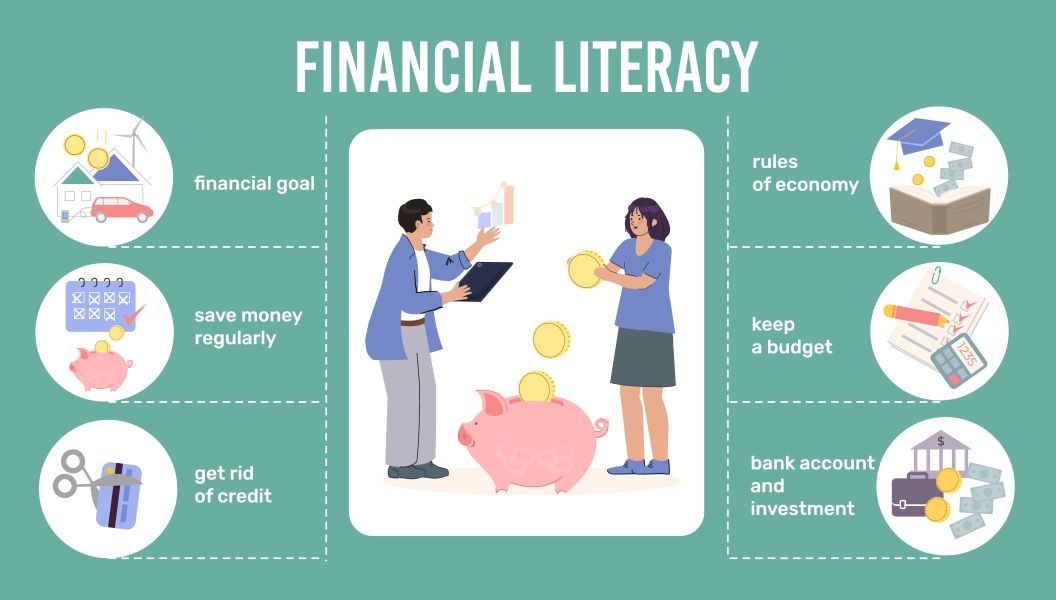
Financial literacy has become increasingly important in the digital economy. Individuals must understand how financial systems operate in order to manage their money effectively. Knowledge of budgeting, saving, investing, and credit management allows people to make informed financial decisions.
Digital banking platforms have made financial services more accessible than ever before. Mobile applications allow users to track expenses, transfer funds, and manage investments from anywhere. However, these technologies also require users to understand financial security practices.
One important aspect of financial literacy is understanding interest rates and debt management. Loans and credit cards can be useful financial tools when used responsibly. Without proper knowledge, however, individuals may accumulate excessive debt.
Investment education also plays a significant role in financial literacy. Learning how stocks, bonds, and mutual funds work helps individuals grow their wealth over time. Diversification strategies reduce risk and support long-term financial stability.
Educational institutions and governments often promote financial literacy programs that teach individuals how to manage money responsibly. These initiatives help build financially stable communities.
As financial technologies continue to evolve, financial education will remain essential for ensuring responsible participation in modern economies.