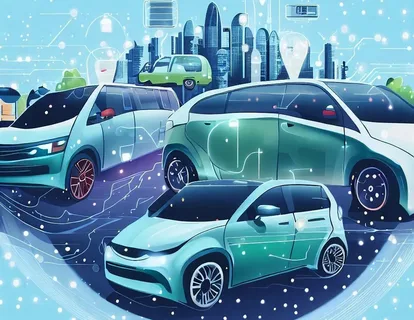
Connected vehicle technology is transforming how drivers interact with their cars and transportation systems. Modern vehicles include internet connectivity that allows them to communicate with other vehicles, infrastructure, and cloud services.
Connected cars provide real-time navigation updates, traffic information, and remote diagnostics. Drivers receive alerts about vehicle performance, maintenance needs, and potential safety issues. These technologies improve driving convenience and safety.
Vehicle-to-vehicle communication is another important innovation. Cars can share information about road conditions, traffic congestion, and potential hazards. This communication helps prevent accidents and improves traffic flow.
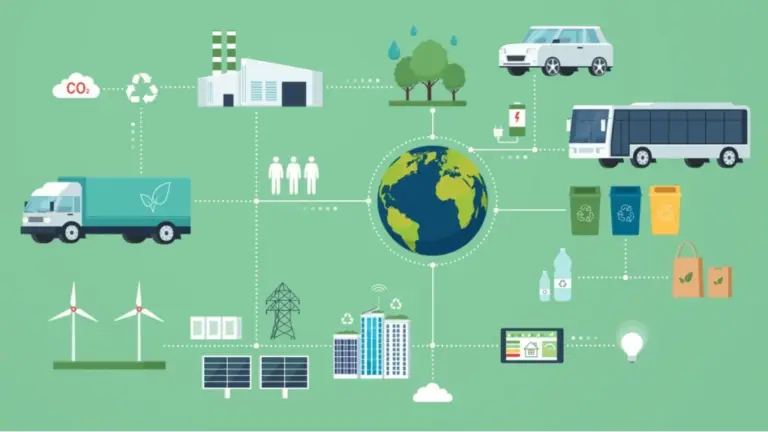
Smart mobility systems also integrate connected vehicles with urban transportation infrastructure. Traffic signals, parking systems, and public transport networks exchange data with vehicles to optimize city traffic management.
Automotive companies collaborate with technology firms to develop secure software platforms that support connected mobility. Cybersecurity remains a critical priority because connected vehicles process sensitive data and rely on network communication.
As transportation becomes increasingly digital, connected vehicles will play a central role in future smart cities. These systems improve efficiency, reduce congestion, and enhance safety for drivers and pedestrians.