The expansion of electric vehicle infrastructure is one of the most important steps toward sustainable transportation. As more consumers adopt electric vehicles, governments and private companies are investing heavily in charging networks and battery technologies.
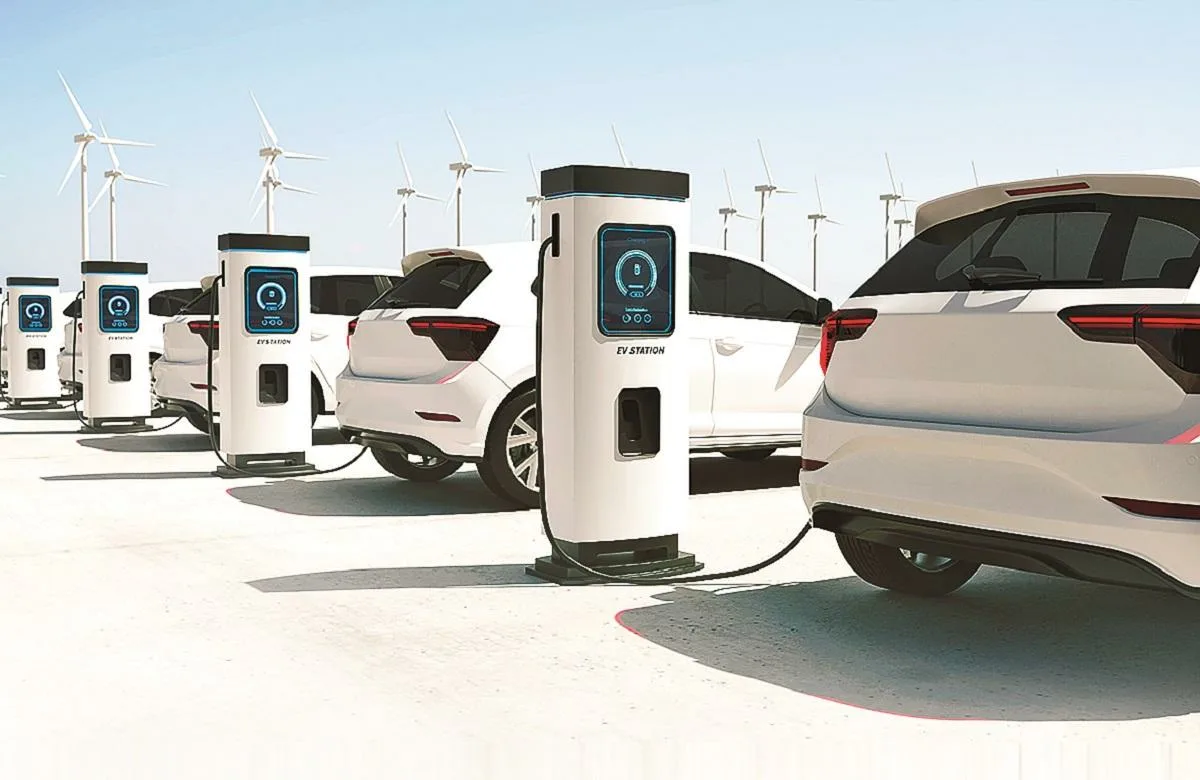
Charging infrastructure determines how convenient electric vehicles are for drivers. Fast-charging stations located along highways and urban areas allow drivers to recharge their vehicles quickly. These networks help reduce concerns about limited driving range.
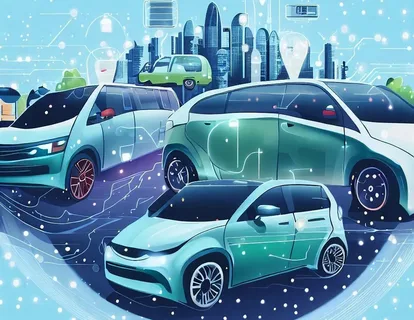
Many governments support EV infrastructure through financial incentives and public investments. Subsidies for charging station installations encourage businesses and property owners to participate in building charging networks. Urban planning strategies now include EV charging infrastructure as part of smart city development.
Technological improvements in battery design also support the expansion of electric transportation. Modern batteries provide longer driving ranges and shorter charging times. Researchers are developing next-generation battery materials that increase efficiency and reduce environmental impact.
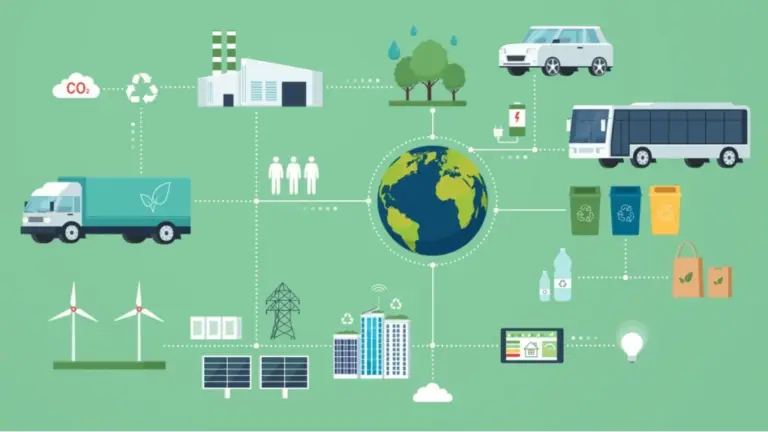
Automotive manufacturers collaborate with energy companies to create integrated energy ecosystems. Some charging stations use renewable energy sources such as solar or wind power, making electric transportation even more environmentally friendly.
The transition to electric mobility requires cooperation between governments, automakers, and infrastructure providers. As charging networks continue to expand, electric vehicles will become a practical option for millions of drivers worldwide.