Renewable energy technologies are playing an increasingly important role in the development of sustainable transportation systems. As governments and industries seek to reduce greenhouse gas emissions, renewable energy sources are becoming essential components of modern mobility strategies.
Electric vehicles represent one of the most visible examples of this transition. When powered by renewable energy sources such as solar or wind power, electric transportation significantly reduces environmental impact compared to traditional fuel-based vehicles.
Public transportation systems are also adopting renewable energy technologies. Electric buses, hydrogen-powered trains, and energy-efficient metro systems are becoming more common in many cities. These technologies help reduce air pollution and improve urban living conditions.
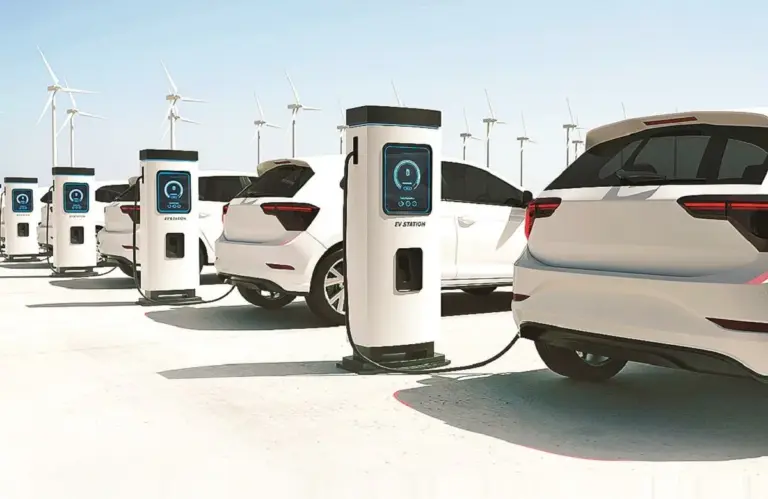
Infrastructure development is essential for supporting renewable transportation. Charging stations powered by renewable electricity allow electric vehicles to operate sustainably. Energy storage systems ensure that renewable power remains available even during periods of low energy production.
Research institutions and technology companies continue to develop new energy solutions. Advances in battery technology, hydrogen fuel systems, and energy storage will further improve the efficiency of renewable transportation.
By combining clean energy production with advanced transportation technologies, societies can create sustainable mobility systems that support economic growth while protecting the environment.