Economic policy plays a critical role in maintaining market stability and supporting sustainable growth. Governments use fiscal and monetary policies to influence economic conditions, control inflation, and encourage investment. These policies affect interest rates, government spending, and taxation systems that shape economic activity.
Fiscal policy refers to government decisions regarding public spending and taxation. When governments invest in infrastructure, education, and technology, they stimulate economic growth and create employment opportunities. Responsible fiscal management ensures that public resources are used efficiently while maintaining balanced budgets.
Monetary policy is managed by central banks. By adjusting interest rates and controlling the money supply, central banks influence borrowing costs and inflation levels. Lower interest rates encourage businesses to invest and expand operations, while higher rates help control inflation.
Economic policies must adapt to changing global conditions. International trade relationships, financial markets, and geopolitical events can influence national economic performance. Governments often coordinate policies with international partners to maintain financial stability.
Strong economic policy frameworks encourage investor confidence and support long-term development. Transparent regulations and predictable policies help businesses plan investments and expand operations.
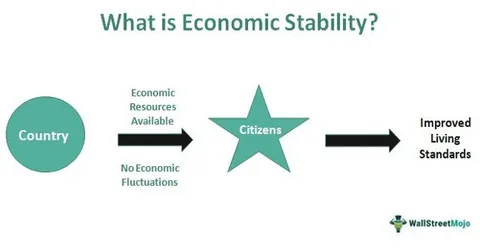
By balancing fiscal responsibility with economic development goals, governments can create stable economic environments that benefit both businesses and citizens.