
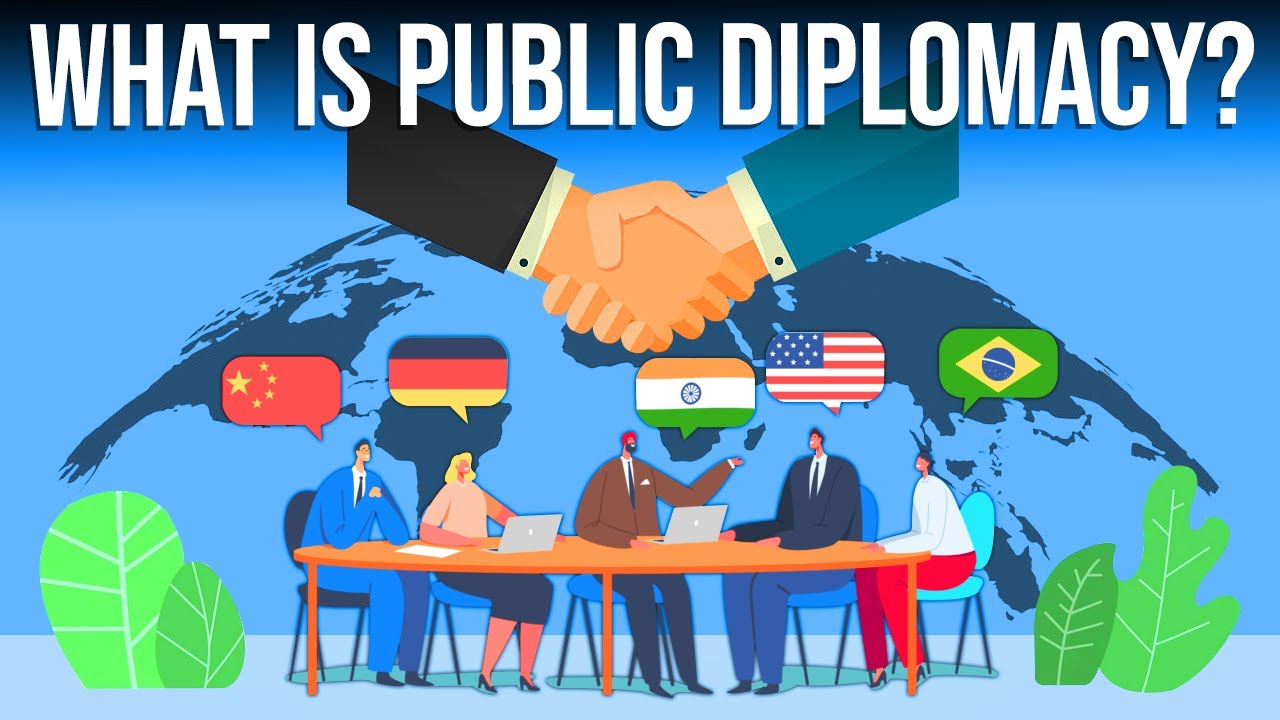
Diplomacy continues to play a central role in global politics. Governments rely on diplomatic negotiations to resolve conflicts, build alliances, and coordinate international policies. In an increasingly interconnected world, diplomatic communication helps countries manage complex relationships involving trade, security, and environmental cooperation.
Modern diplomacy extends beyond traditional government meetings. International conferences, economic partnerships, and cultural exchanges all contribute to diplomatic engagement. These activities strengthen mutual understanding and reduce the risk of political conflicts between nations.
Technological development has also influenced diplomatic communication. Leaders now communicate quickly through digital platforms and global media channels. While this accelerates international dialogue, it also increases public scrutiny of diplomatic decisions.
Economic diplomacy is another growing area. Governments often negotiate trade agreements and investment partnerships that support national economic growth. These agreements influence global supply chains and international market stability.
Diplomacy requires patience, negotiation skills, and a strong understanding of international law. Diplomatic professionals represent national interests while maintaining constructive relationships with foreign governments.
As global challenges continue to emerge, diplomatic cooperation will remain essential for maintaining stability and encouraging peaceful development among nations.